What it is
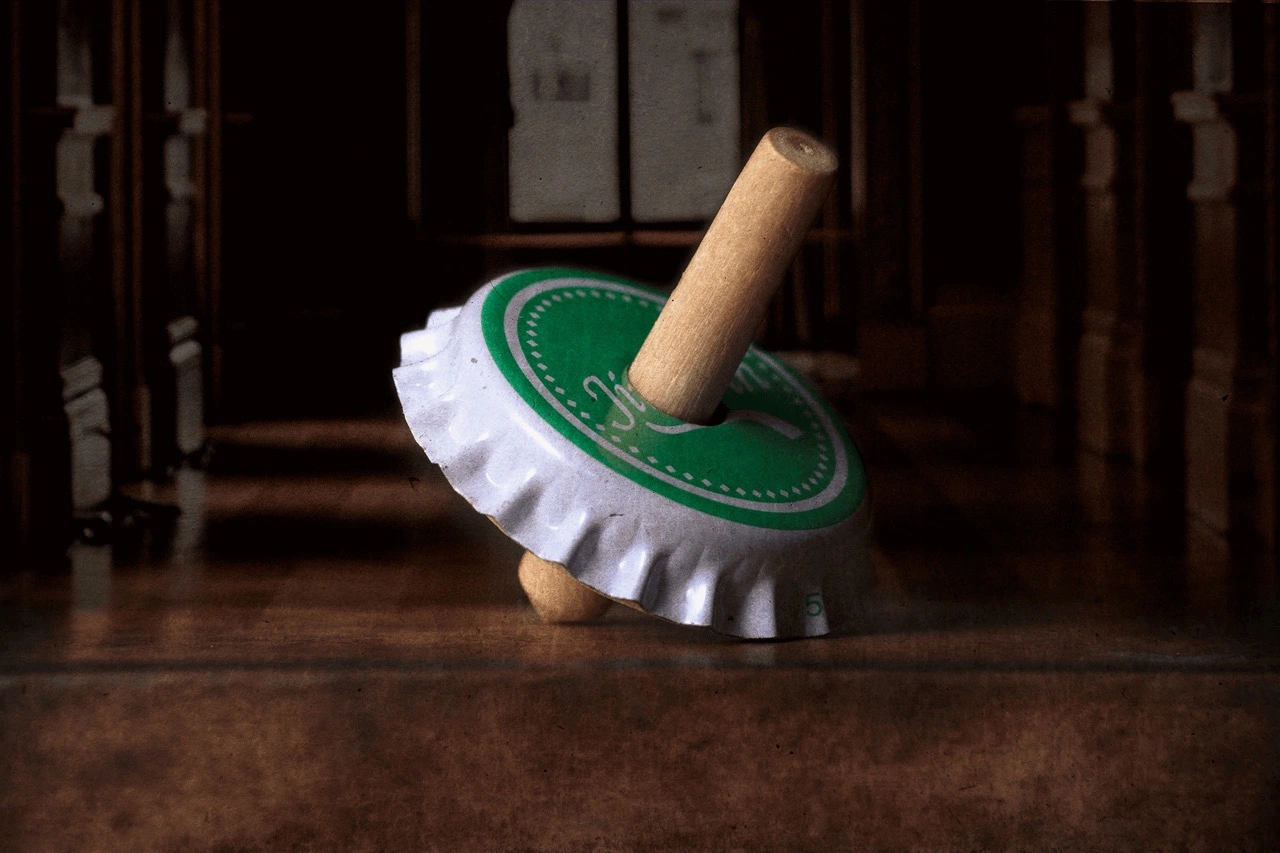
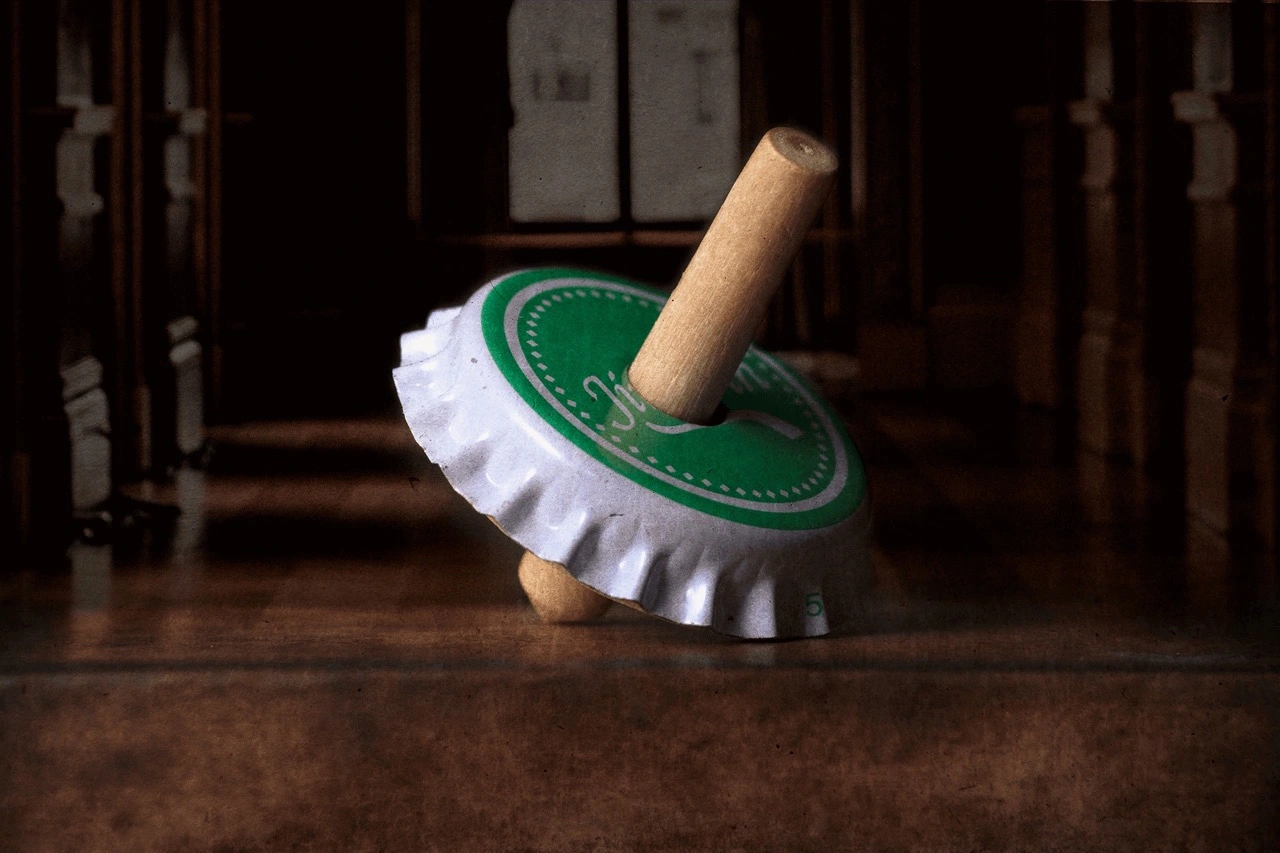
You start with a box your grandfather gave you. Inside is a small wooden toy, not yet assembled — and it is the audience who puts it together. As they work it out, you tell them this is what your grandfather used to give you. They realise they have built a spinning top.
Then they watch it float about an inch above your hand. That is the moment they start wondering whether they really saw it. You spin it again and it travels from one hand to the other. In the third phase it circles your whole body, as though it has taken on a life of its own. In the last phase it vanishes out of the air while still levitating — and when they open the box that started everything, the top is back inside.
Adam called it his signature piece: “the thing that people remember me by and ask for time and time again.” He built it because, of the thousands of effects he had studied and performed, a levitation done properly topped the list every time.
Adam’s real story of his grandfather making toys was embedded in the performance script. A true story, told truthfully, woven into an impossible moment — that became the template for everything Vulpine built afterwards.
How it was made
The release shipped with an eight-hour instruction set. That number was the whole philosophy in one figure: Vulpine did not believe in selling a prop with a one-page instruction sheet and hoping for the best.
It is fully scripted, and the teaching goes into the do’s, the don’ts and everything learned in perfecting it. There are a handful of reasons performers avoid levitations; the explanation sets out to answer each one so you can perform it with confidence. It also teaches the vanish — taking the top while it floats, waving a hand over it, and having it disappear.
It was not eight hours of undifferentiated content. Felix’s background in learning design shaped Adam’s performance knowledge into a pedagogical sequence — chapter markers, difficulty ratings and explicit prerequisites — so a performer could work from unboxing to stage-ready over weeks or months without getting lost.
The two worked remotely: Adam filmed his teaching segments in Wisconsin, and Felix assembled the final product with B-roll and tutorials.
What performers said
Thirteen reviews were recovered. Ten are five stars, three are four.
“Beautifully crafted detailed Trick… A WONDERFUL SHOW PIECE.”
“I have a special-needs son who LOVES visual magic… my kid’s face was alight w PURE AMAZEMENT and JOY!! You cannot put a price tag on THAT!”
“The best magical moments come from a well told story… will hit the hearts and memories of EVERYONE!”
“For medical reasons, I have to perform sitting down, and when I contacted Adam Wilber, he was kind enough to give me what limited advice he could.”
“Excellent instructions. Impact is high — a purely magical effect. Super storyline that is heartwarming.”
“This is my go-to levitation effect.”
“I primarily bought this to pay Adam for the story… It’s a showpiece.”
Beyond the stage
A therapist in the United States called Vulpine to say she was using the props with her patients — for speech therapy and dexterity work, from a stutter through to fully disabled people finding joy in performing. She expected Adam on the phone and got Felix; they talked for an hour.
The story she told that mattered most was about a disabled child who learned part of Tom Wright’s cups routine using a single cup rather than all three. He performed it for his parents and fooled them completely. For that moment he was not the child who struggled with everything — he was a performer who had done something the adults in the room could not explain.